When the Search for a Digital Solution Turns into a Debate – How Can Chaos Become a Shared Direction?

The starting point: everyone wants the same thing

Sooner or later, a business team – whether in HR, finance, or procurement – starts looking for a new application to support its work. The need is clear: faster operations, automation, cost savings, and reduced employee workloads.

Management invites a potential supplier to present its solutions. However, the situation quickly becomes complicated: when the discussion turns to details, the decision-makers and managers on the client side start talking among themselves, then debating. This happens because each person is primarily familiar with their own tasks and processes, is not always aware of unnecessary duplication, and – understandably – wants to stand up for their own team.

The challenges that emerge

  • Different perspectives: HR takes a different approach from IT, for example.
  • An incomplete process overview: often, no one has a complete view of the entire workflow.
  • Wasted time: the supplier can only listen while internal stakeholders try to clarify the details – potentially wasting hours or even days.
  • Conflicting interests: everyone has different priorities – cost reduction, deadlines, or workload reduction – with their own team coming first.

The positive side of debate

  • Everyone wants a solution: no one is trying to obstruct the project.
  • The goal is shared: greater efficiency and automation.
  • Problems come to light: debates reveal where processes break down.

How does xFLOWer help?

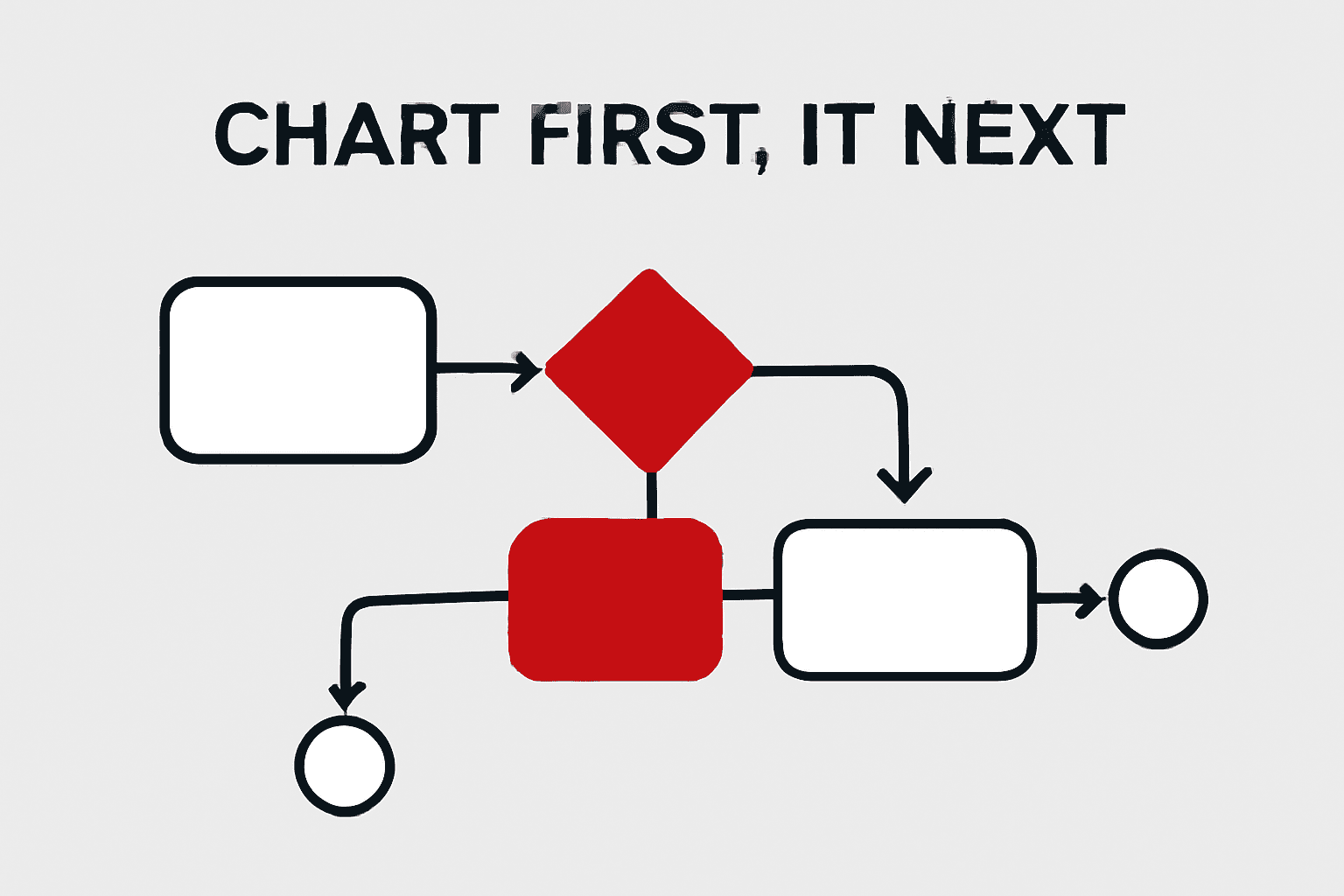
Process diagrams and visualization

xFLOWer displays every step in a clear process diagram.

Example: the HR onboarding process automatically routes the task to IT to ensure that a new employee receives the appropriate IT equipment, access to applications, and permissions. This eliminates debate over who is responsible for each task.

Automatic notifications and approvals

The system uses rules to handle points of contention.

Example: a purchase exceeding HUF 1 million is routed first to the procurement manager, then to the finance director – automatically.

Supporting shared priorities

xFLOWer supports a phased rollout: first, it addresses the most pressing issue (such as invoice approval), followed by onboarding or contract management.

These workflows remain within a single system and can be connected later. This creates a clearer operating framework by eliminating unnecessary duplication of work and giving everyone an understanding of the entire process, not just the individual tasks they perform each day.

Clear reporting

Real-time reports give everyone access to the same data, replacing debate with shared decisions.

Summary

Debates are inevitable when searching for digital solutions – but they are not dead ends. xFLOWer helps turn disagreements into productive discussions: everyone sees the same process overview and data, while the goal remains shared – a more efficient organization with more automated operations.


Corporate decision-making meeting about introducing a digital solution
#DigitalTransformation#Automation#ProcessManagement#Workflow#SoftwareSelection#NeedsAssessment#OrganizationalCollaboration#BusinessITCollaboration#InformationGaps#Flowchart#VisualProcessModelling#Responsibilities#OperationalTransparency#HR#IT#Finance#Procurement#Onboarding#ApprovalManagement#MultiStageApproval#AutomaticNotifications#InvoiceApproval#ContractManagement#PhasedImplementation#ManagementReports#DataDrivenDecisions#Efficiency#CostReduction#ManagementDecision#Guide

Related articles

How Does Key Person Dependency Develop, and What Can We Do About It?

In corporate and other hierarchical organizations, senior executives should make all important decisions concerning the activities they oversee. However, poorly structured business processes can allow that authority to fall into someone else's hands. Personal interests may be a contributing factor, but this can also happen entirely unintentionally when roles and responsibilities have not been properly assessed.

How Should a Company Begin Assessing Its Business Processes?

How should business leaders approach business process assessment? A practical guide to preparing for digitalization, workflows, and automation.

The Benefits of Workflow Implementation, Part 5 – Faster Process Development, Simpler Implementation

In the past, introducing new processes or modifying existing ones in workflow—or BPM, business process management—systems generally required programming. Implementing such changes therefore required the involvement of the IT department and/or the vendor, as well as a dedicated IT project. This approach demanded considerable time and resources, while maintaining a high level of dependence on the vendor.

Getting Started with Process Management: Why You Should Not Expect an IT System to Rethink Your Business Processes

Successful digitalization requires companies to review and document their business processes before implementing an IT system.

Workflow Systems in Organizational Development

When organizational development comes up, many people tend to see its methods and procedures as “tools for the corporate giants”: they may work in that environment, but they certainly will not deliver results “here”—whether that means our company, industry, market, or country. While this may be true in some cases, there are several areas where organizational improvements can undoubtedly make business operations more efficient and cost-effective. We have compiled a selection of these solutions below.

Contact us

Let's talk about your processes

Tell us briefly which process you'd like to automate – we'll get back to you within 1 business day.