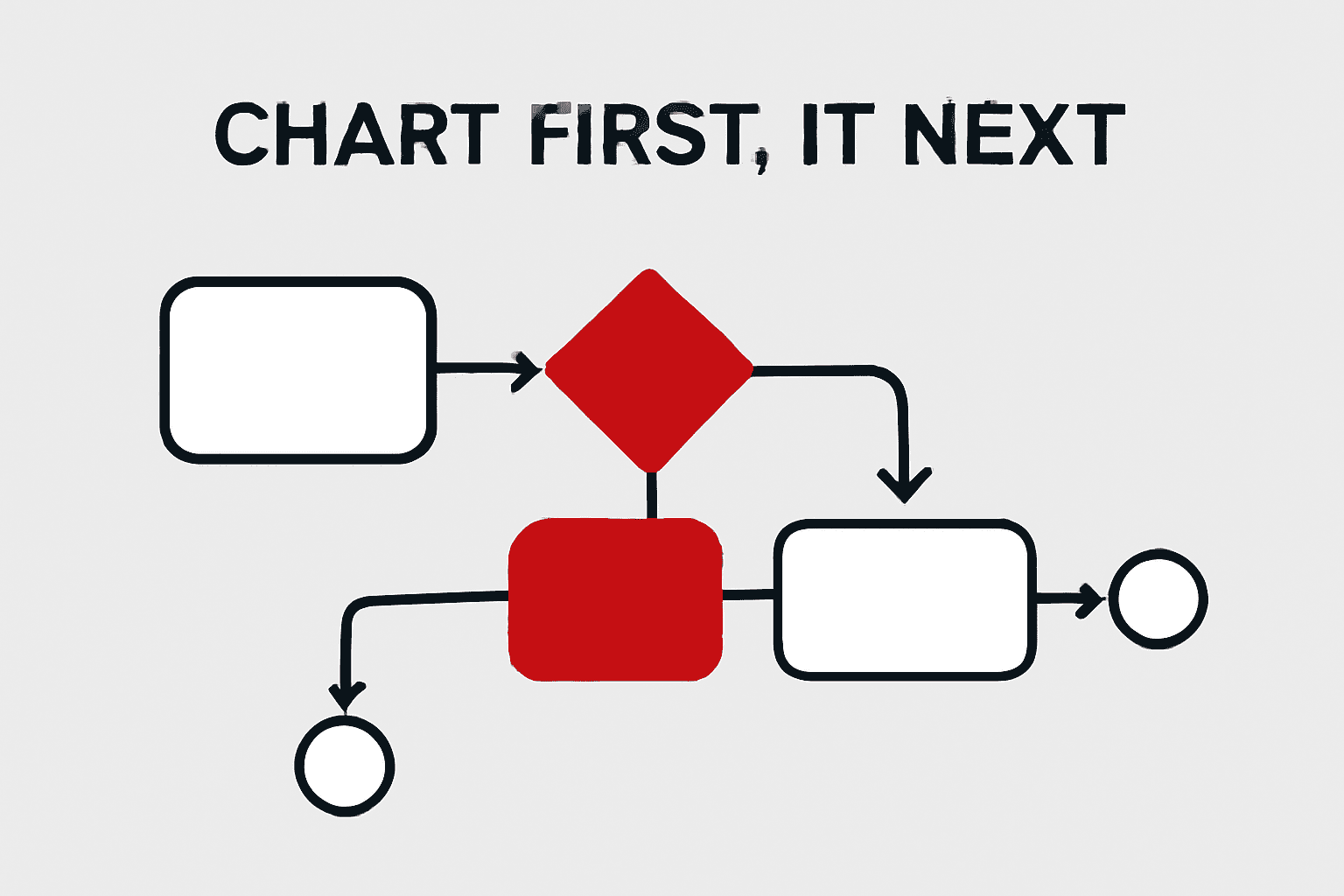
A business process is a structured set of activities and steps that a business or organization uses to achieve its intended results or objectives. These processes help businesses operate more effectively, increase efficiency, reduce the risk of errors, make better use of resources, and ensure that activities align with the company's strategic direction.
Where Can Business Processes Be Applied?
Processes can be used across a wide range of areas, including production, service delivery, customer relations, and procurement. Managing and optimizing business processes effectively helps us become more competitive and respond better to the challenges and opportunities affecting our business. Continuous improvement and monitoring of business processes are essential elements of modern business management.

How Do You Develop a Business Process?
1) Assess Business Objectives and Customer/User Needs:
Assessing business objectives and customer/user needs means identifying and understanding the business goals set for a company or project, along with the expectations of its customers or users. This information guides strategy development and product development, enabling a more effective response to market needs and objectives.
2) Understand and Document Current Processes:
Understanding and documenting current processes means recording how a business currently performs its activities. The purpose of this step is to understand how processes work today, making it easier to improve their efficiency and identify problems. It also allows us to start considering the steps needed to minimize these issues in the company's day-to-day operations.
3) Begin Process Improvement:
Beginning process improvement means that a business or organization starts taking steps to make its existing workflows better, faster, or more efficient. This is important because it helps achieve better results and reduce costs.
4) Test the Process Steps:
Testing process steps involves putting the different stages or steps of a workflow to the test to determine whether they function properly and deliver the expected results.
5) Implementation/Training
When the previously tested system is implemented, its developers aim to provide all the knowledge employees need to become proficient in using it, ensuring that day-to-day work can be carried out in line with the system.
6) Continuously Monitor Process Compliance
Continuous monitoring of business processes means that a company reviews and evaluates its processes regularly or periodically. One of the aims is to increase efficiency, as periodic reviews help optimize processes and make them more effective. Another is to identify problems and gaps that the business process does not adequately address before they develop into significant issues.

In Summary:
Successfully implementing processes can make our company much more profitable and free up capacity, allowing us to provide employees with higher-value work. As a result, new employees will also find it easier to understand and follow the way work is carried out.