What is a process editor used for?
A process editor enables us to create a business process model that details the steps, decisions and participants involved.
Process editors help streamline processes and eliminate unnecessary steps, improving efficiency and performance.
What is a workflow management system?
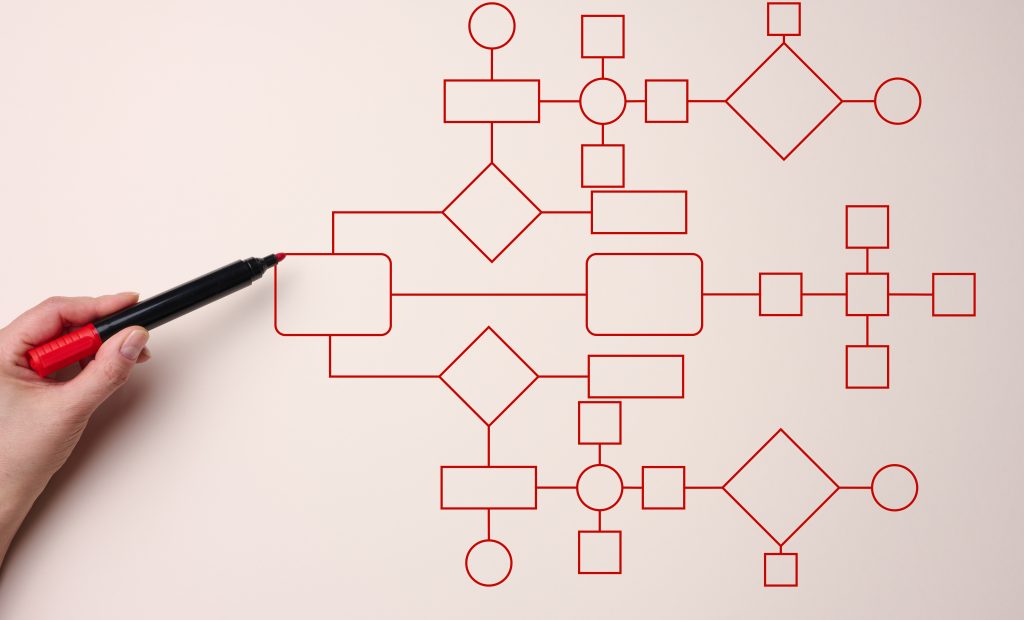
A "workflow" refers to the structured sequence or steps of an organization's or company's processes, tasks and activities that are regularly performed to achieve a specific outcome. A workflow describes how tasks and information move from one person or department to the next.
Workflows help to:
- Increase efficiency
- Save time and energy
- Optimize the sequence of tasks
- Organize work processes in a more structured way
What does this mean for my company?
Well-structured workflows offer numerous benefits to a company, making them a valuable asset. Below are some key reasons why well-defined workflows are beneficial to business operations:
1) A workflow provides a systematic, coordinated approach to executing tasks and processes. It defines the steps, roles, responsibilities and interactions needed to move forward efficiently. As a result, the company can reduce costs, save time and increase productivity.
2) Efficient workflows enable faster customer service and response times, which can improve customer satisfaction and loyalty.
3) Companies are often required to document their workflows. These documented processes provide an audit trail that can help meet regulatory compliance and audit requirements.
Is implementing this system at your company expensive?
It is no surprise that workflow systems are among the first solutions that come to mind when discussing software for managing the operations of a large company. Indeed, for a long time, their high costs and other factors made workflow systems a practical and accessible solution primarily for large enterprises.

But that is now a thing of the past.
Today, numerous workflow creation tools and software solutions offer affordable services and adapt well to the specific needs of small and medium-sized enterprises (SMEs). This allows SMEs to readily take advantage of these solutions to increase automation and efficiency without making significant investments.
Most importantly, however, using such a system delivers financial value to the company. First, it saves costs when we model and streamline processes, as the same activities can be completed with fewer resources. The system also generates revenue: designing streamlined processes alone is not enough without a tool to keep them manageable—in other words, without something that coordinates the operations of the organization or organizational unit.
In summary:
Ultimately, the workflow approach is widely accessible and adaptable to small and medium-sized enterprises. It enables them to increase efficiency, reduce costs and improve the quality of their products or services, thereby strengthening their competitiveness in the market. However, carefully selecting and customizing these tools is essential to ensure they fully meet the company's specific needs and processes.