Regardless of a company's business profile, procurement—as a cornerstone of logistics—is essential to smooth and efficient operations. The availability of and access to tools, equipment, raw materials, products and other inputs must remain uninterrupted, as any disruption can cause serious operational problems and significantly increase costs. A professional procurement system makes the procurement process transparent, seamless and cost-effective.
Businesses operating in industry, agriculture, commerce or any other sector need a wide range of resources to operate efficiently. These resources may include raw materials, semi-finished or finished products, machinery, equipment, tools, energy and many other items. Procuring all the necessary resources—in other words, ensuring their availability—presents a significant challenge for companies.

Preparation and Follow-Up Are Key to an Effective Procurement System
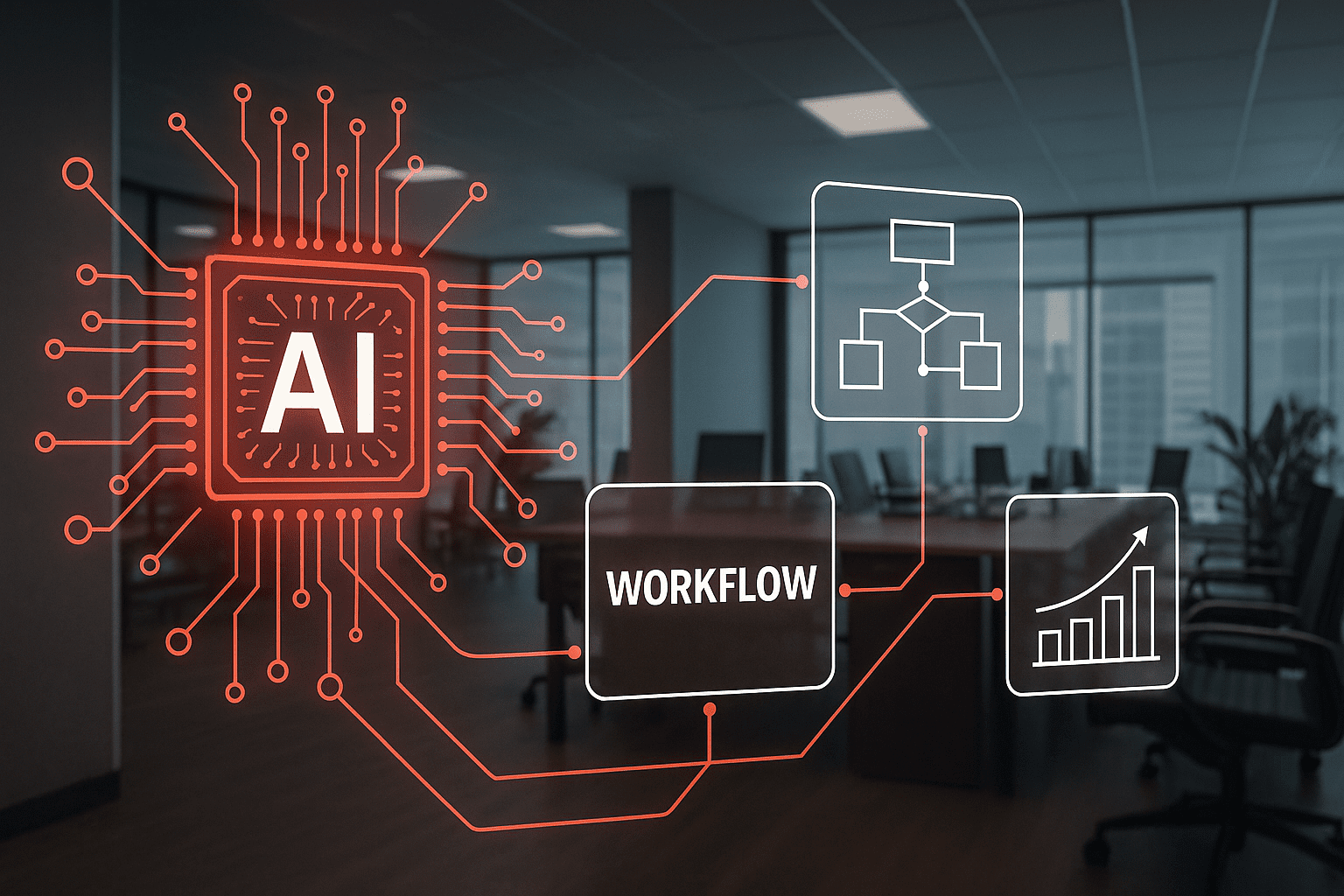
When software supports the entire procurement cycle, including preparation and follow-up, it becomes much easier to tailor the process to the company's needs. This is particularly important when those needs are constantly changing. A software-based procurement system helps ensure that planned outcomes are achieved by tracking processes and approvals, making them transparent and automating them where appropriate.
Core objectives of a procurement system:
Cost minimization: Procurement previously focused on securing the lowest possible purchase price. Today, the focus has shifted toward minimizing total costs across the entire supply chain.
Supplier selection and evaluation:
Procurement practices have shifted from a transaction-oriented approach toward relationship-oriented procurement. This places greater importance on selecting and evaluating suppliers and building long-term relationships with them.
Reducing inventory levels and maintaining a continuous flow of goods:
High inventory levels incur costs, such as storage, and tie up working capital in stock. Procurement must therefore contribute to optimizing inventory levels and ensuring the uninterrupted flow of goods throughout the supply chain.
Collaboration and integration with other organizational units:
The procurement function must collaborate and integrate with other organizational units to achieve optimal results, potentially across the entire supply chain. This collaboration and integration are essential to efficient operations, even without IT support.

Automation and Flexibility
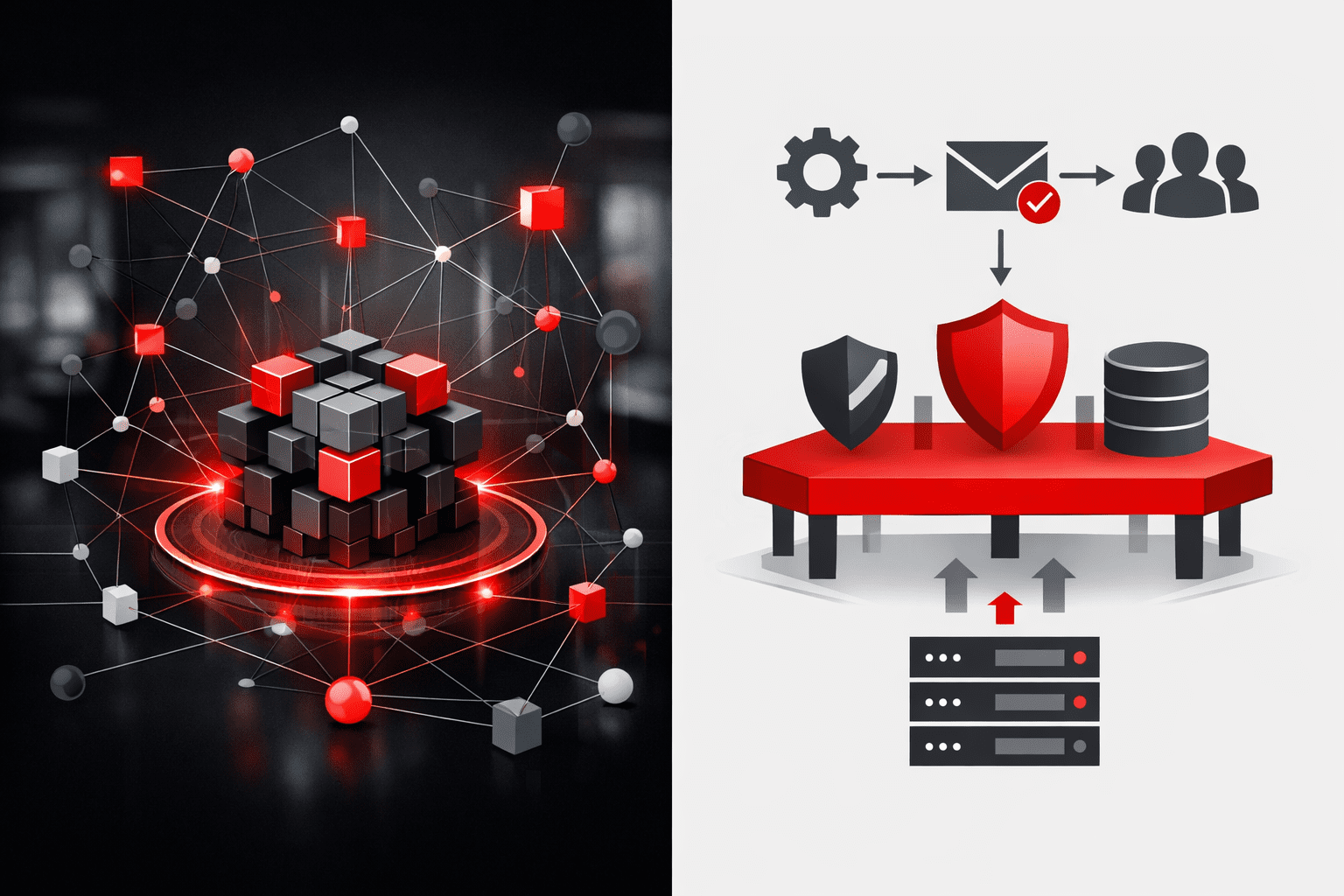
A procurement system performs routine tasks automatically while remaining flexible enough to adapt to current circumstances whenever necessary to maintain continuity. This saves companies both time and money while also reducing the workload on employees. Logistics works effectively when the right goods—or tools, raw materials and other inputs—are available at the right time and place, in the right quantity and quality, and at the right cost. Achieving this requires a modern, flexible digital infrastructure that adapts fully to both fixed and changing factors, bringing them together in a comprehensive system where they can be tracked and put to practical use.