Gaps in Information Flow
Customers usually notice a company's internal disorganization when information is not passed on fully between its representatives. Repeated contact about the same issue, unnecessary rounds of discussion, or slow response times all suggest to customers that the company is not on top of things. To meaningfully improve communication, however, we need to examine numerous other aspects of our business operations. This is where systems thinking comes in.
Where Should We Start?
In short: with the basics.To better understand this issue, we need to consider how things naturally take shape as a process emerges and then develops. When faced with new challenges, our natural first instinct is to focus on the problem and the specific tasks directly related to it. Later, however, as we gain experience with a task, we begin to look for ways to optimize it, aiming to complete it as effectively and quickly as possible. We can surely find countless examples in our past experience that reasonably prompt the question:
If our processes work this way, why should we change them?At an individual level, it may seem inconceivable that this approach could lead to problems. In a company's operations, however, numerous factors come into play, such as sudden changes or an increase in inquiries. Time constraints put growing pressure on employees, and rushing takes over, bringing carelessness with it. Only highly experienced managers and professionals can reverse this natural organizational progression: starting by designing a system, then building the organization's entire operation on that established foundation, so it can perform consistently and serve customers under any level of demand.
The Foundation of Operational Stability
Before discussing rules, processes, and automation, we must address how to maintain an organization's operations when key people are unavailable. The answer is simple: we need to ensure that no one is irreplaceable.
How Templates Can Help
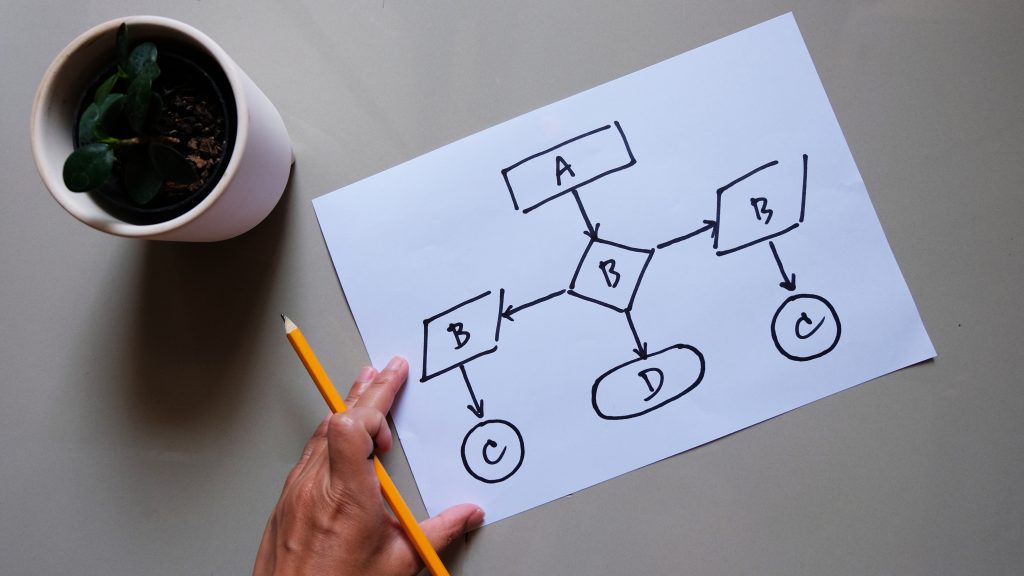
Every process that is expected to be performed more than once should be structured and turned into a template containing both rules and logical sequences of small steps. The primary consideration when creating any template is clarity: it must contain enough information and instructions for anyone to work easily and meet expectations. This means that, at least in theory, if a key person becomes unavailable, all that is needed is to introduce their replacement to the established processes and templates.
Build a True System and Automate
Automation is another factor that can greatly improve the stability and reliability of an organization's operations. Creating templates provides an excellent opportunity to identify and eliminate unnecessary steps. In our experience, creating automated processes is the area where support from an experienced specialist is most needed, as they will understand the available technical options and can provide tailored advice.

Automation in Practice
Successful automation generally starts with digitizing most of our processes. Only then can we begin assembling the individual building blocks and establishing the necessary connections within a suitable system. xFLOWer, for example, offers almost limitless possibilities. It allows us to manage approvals, automate the transfer of files and information, and track task statuses. On its own, however, this is not enough. We might assume that choosing the right software has solved all of our company's process automation challenges in one go.
If We Do Not Use It, It Will Not Work
The most important component of any system is the user. We must be committed to using the system and thinking within its framework. Only then can we free ourselves from the burden of repetitive tasks and unnecessary steps.

Business Management - Transparency Above All
You cannot steer a business effectively with emails and Excel spreadsheets. Over time, a lack of visibility and lengthening decision-making cycles can easily run a company aground. xFLOWer brings all activities related to effective management into a unified system and automates them, organizing them into business processes.
READ MORE