Leading-edge technology, deployed in silos
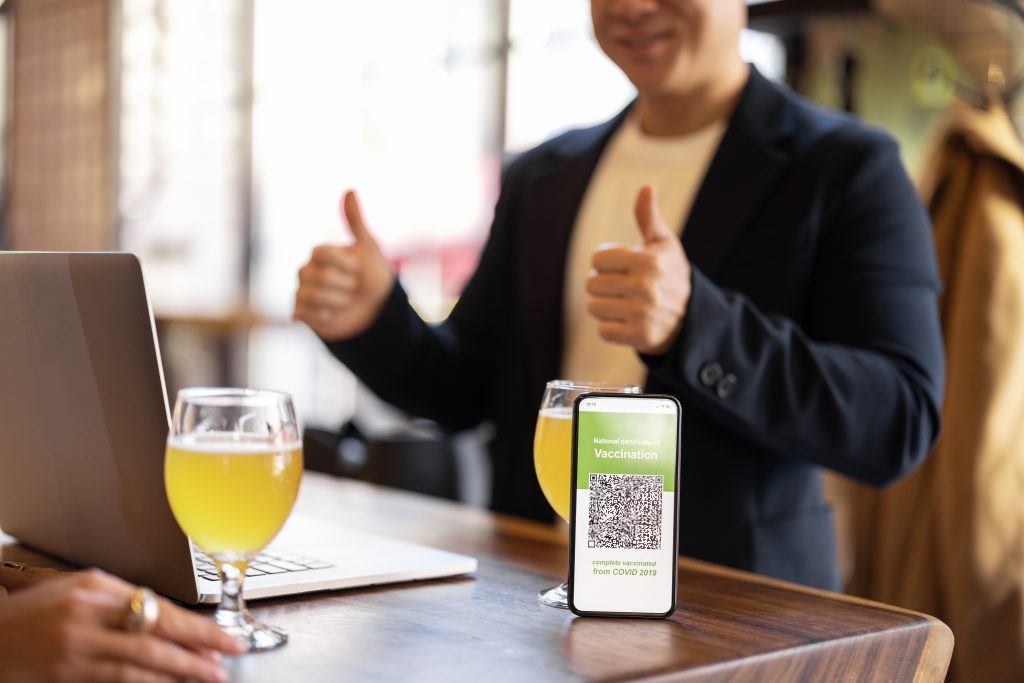
Our work takes us to the headquarters of many large companies for consultations, business discussions and, of course, to deliver projects once we have been engaged. On one recent occasion, we were invited to the brand-new headquarters of a major player in the Hungarian economy, where various technological solutions had been introduced to manage visitors, starting with appointment scheduling. Naturally, the aim is to make access to meeting areas as straightforward as possible for reception staff, hosts and arriving guests—ideally restricting visitors to the areas for which they have been authorized in advance. To achieve this, the company designed a multistep process. After submitting the usual details—name, contact information and appointment time—visitors receive not only an invitation but also a QR code. They can then scan this on arrival, simplifying identification, acknowledgment of mandatory training and rules, and notification of the host. In theory, all of this operates within a single, closed system. Problems arise, however, if these individual components have not actually been integrated: because the system is closed, front-desk staff have only limited information about the arrangements. This was exactly the problem we encountered. Although we had received QR codes during preregistration and could use them to start reviewing the training materials, gaining entry proved less straightforward. The invitation had not been linked to a meeting room, and resolving the issue was made harder by the fact that, without the necessary access, the front office did not even know whom to contact for guidance. As a result, getting a supposedly automated system to work required three people, email histories and contact numbers retrieved from phones.

Processes and integration: the key to success
As industry professionals, we were naturally impressed by the system at first. Following a simple booking, practically every step runs automatically, ensuring that everyone receives the information they need before the meeting and only has to scan a code to check in on arrival. The experience soon revealed what was missing, however: integration between the individual tasks. Under normal circumstances, the details of the colleague who made the booking should be accessible with a single click, and the QR codes should provide the administrator with the host, meeting room and everyone's contact details in one place. After this brief interruption, entry went smoothly—and the incident even provided a useful opening topic for our discussion. Nevertheless, it was clear to us that a simple workflow solution could easily bridge the gap. To avoid similar situations, we believe it is important to involve an external expert in analyzing and testing processes before development and go-live, as this is how such issues can be identified. Before implementation, it is also worth drawing on expert knowledge to review which of your existing systems need to work together successfully to achieve the intended way of operating—one that delivers genuine value and improves efficiency.