xFLOWer Knowledge Base

No Single System Can Do Everything

No Single System Can Do Everything

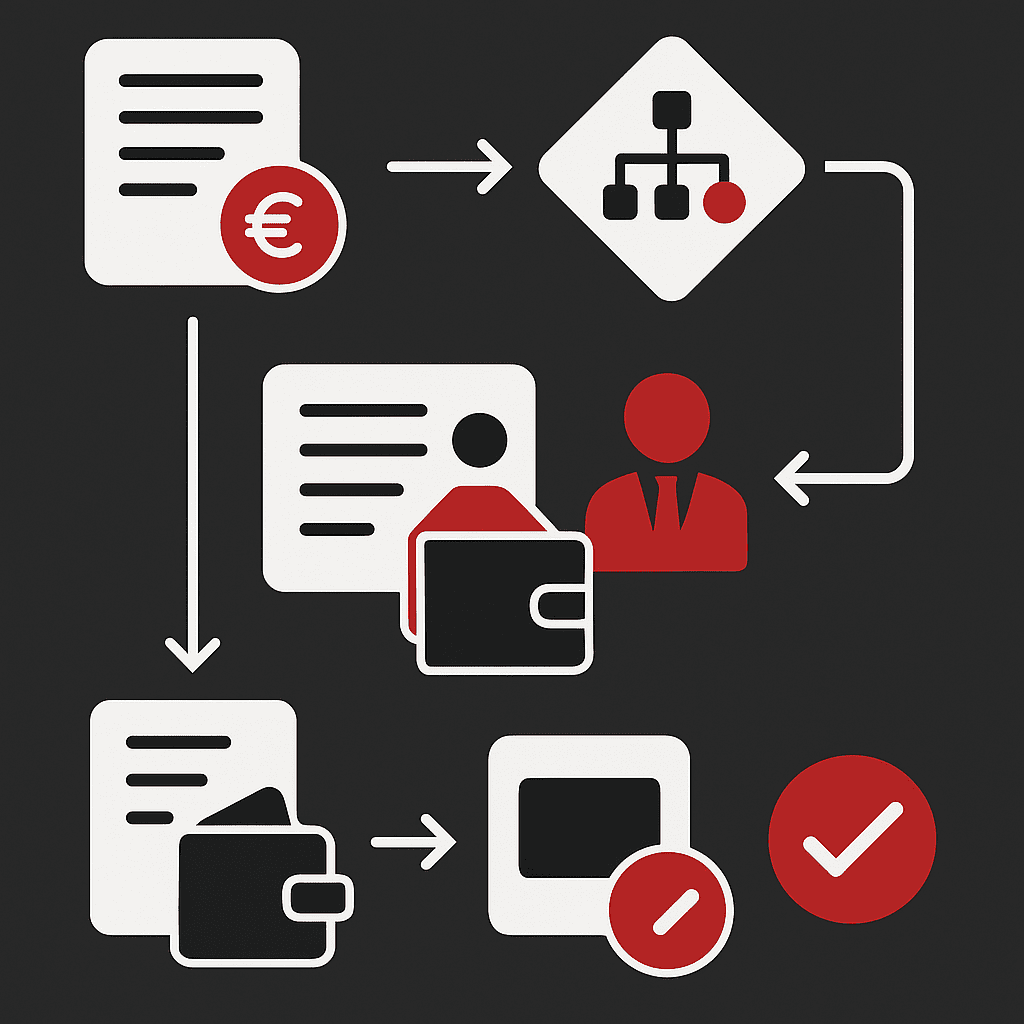
Day-to-day operations rely on business processes that keep a company running. We use dedicated functional systems to support individual steps in these processes: invoicing software to issue invoices, a CRM system to maintain customer and partner records, and a ticketing system to manage reported issues. However, these processes are not constrained by the systems we intend to use or by what any given system can do. As a result, completing a business process often involves multiple systems—or even multiple departments.

Read more

Óbuda University Partners with xFLOWer

Óbuda University Partners with xFLOWer

The Rejtő Faculty of Óbuda University and Click On Hungary Kft. have signed a strategic agreement to strengthen students’ practical training in quality management and process management and launch joint research projects.

Read more
Periodic Table of Processes

Periodic Table of Processes

The xFLOWer.ai Periodic Table of Processes helps you map, organize and design business processes with AI, from basic steps to end-to-end operations.

Read more
Introduction to the World of Automated Processes 8 – Customer Service
From the archive

Introduction to the World of Automated Processes 8 – Customer Service

Direct customer communication requires a wide range of supporting solutions and extensive information. Incoming requests must be tracked, and staff need the right knowledge to resolve issues quickly and without delay. Since requests received through customer service are closely connected to all other business activities, seamless information flow between departments is essential.

Read more
Tackling Labor Shortages Through Automation

Tackling Labor Shortages Through Automation

Just a few years ago, probably no one would have imagined that labor shortages would become one of the biggest challenges facing businesses in Hungary. Yet no one anticipated the current situation at the time. While there were signs of potential difficulties in certain sectors, widespread labor shortages still seemed a long way off.

Read more
The Benefits of Workflow Implementation, Part 1 – A More Satisfied Team

The Benefits of Workflow Implementation, Part 1 – A More Satisfied Team

Employees are a company's most valuable asset and, at the same time, its largest cost. Decades of research have repeatedly shown that the most successful companies in competitive markets are those that invest significantly in their people. This does not necessarily—or exclusively—mean high salaries. Rather, it means meeting employees' other needs to a high standard and providing opportunities. These may include training, career advancement, other incentives or rewards, and even flexible working hours or the option to work from home.

Read more
The Benefits of Workflow Implementation, Part 2 – Improving the Customer Experience

The Benefits of Workflow Implementation, Part 2 – Improving the Customer Experience

In the first part of our series on the benefits of workflow implementation, we explored the advantages of using such a system for employees, including some that may not be immediately obvious. In this second part, we examine the same topic from the customer's perspective: Will our customers notice that we are using a new system? If so, how might this affect their overall satisfaction? Will they be more satisfied with our company's services?

Read more