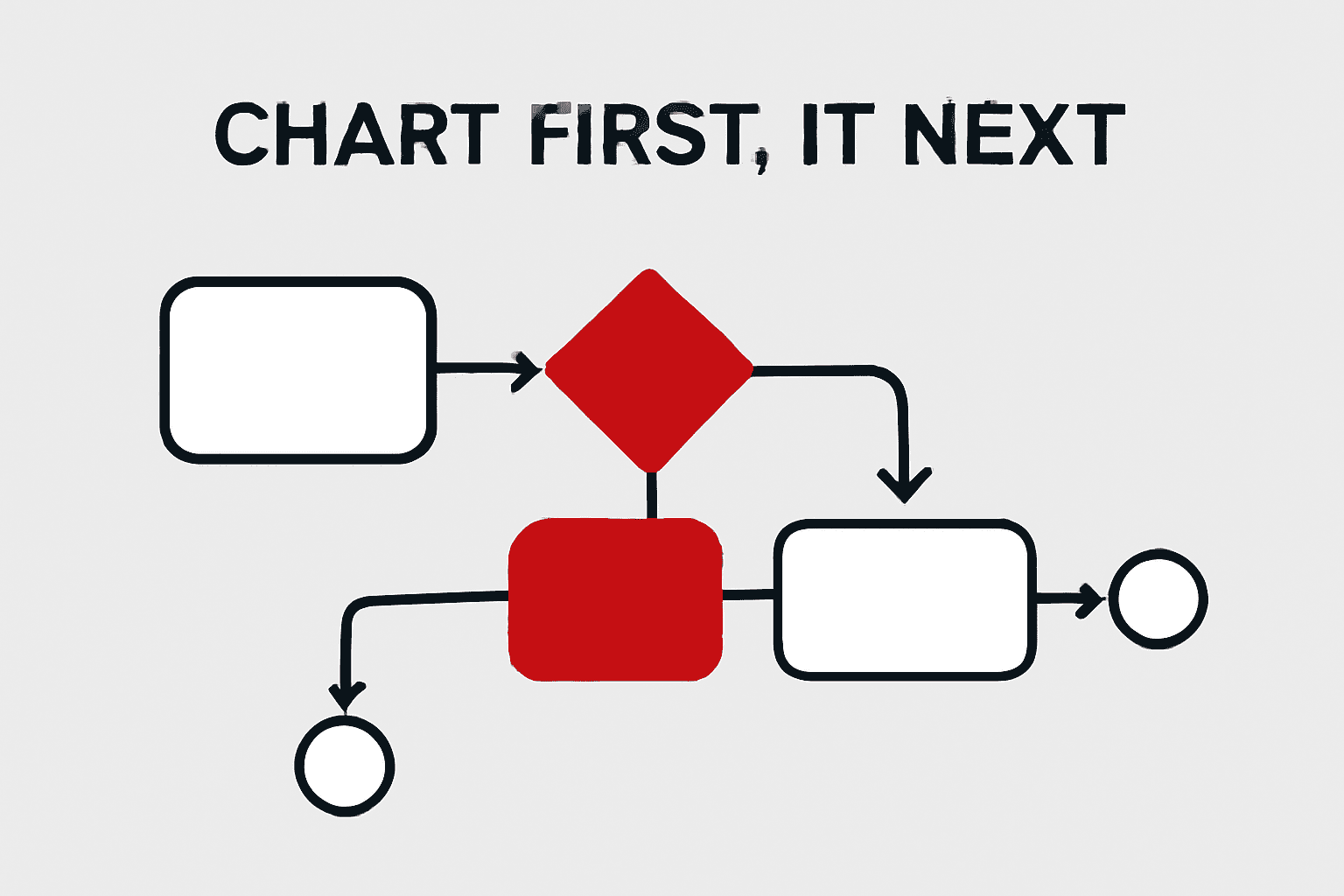
We may be inclined to associate quality assurance with reduced productivity and view it as an unnecessary burden. Yet it is precisely when developing quality assurance processes that we can truly identify areas of our processes that have not been optimized.
The Importance of Quality Assurance
In many areas, customer requirements clearly define the framework for quality assurance. This is particularly true when customers need to report to a third party, for example when submitting a grant application. Beyond these requirements, guaranteeing our product's value and quality and maintaining customer trust also make it essential to offer our product with quality assurance in place.

To comply with the required standards, we need to establish an audited quality assurance system. Since such a system directly affects almost every step of our processes, we might assume that it will create a significant administrative burden for most organizational units. In practice, however, the opposite is true.
A Structured Approach
Implementing a quality assurance system requires extensive preparation. All our processes must be fully mapped out, including every information flow, input, output, and decision. Quality assurance and control steps can only be added to properly structured and developed business processes, but this also ensures that those processes deliver successful outcomes.
If all the organization's processes have not been fully structured before the quality assurance system is developed, introducing the new system will most likely accelerate our processes rather than slow them down, while substantially improving accuracy and product quality.
Processes in Practice
Consider the simple example of approvals, whose smooth operation is a key priority for every company. As we begin to map out approval processes, several things immediately become apparent:
First, an activity can only be approved if its scope is clear and its details are precisely defined. For example, describing the transaction to be approved as “purchasing office equipment” provides no precise information about what equipment will be purchased, let alone what purpose it will serve or whether it is genuinely needed.

We may need to introduce additional requirements. For certain procurement processes, for example, we may need to require a detailed plan and approve that plan first.
The second factor that immediately becomes apparent when designing approval processes is the need for clearly designated owners and responsibilities. This may seem straightforward at first, but as the previous example shows, we may need to turn a simple approval into a complex process to ensure that everything meets expectations.
Integrating Quality Assurance Steps
Once we have properly structured and tested our processes and assigned the appropriate owners to every task, we can confidently incorporate the various control steps and establish a framework of requirements and rules.
Feedback
When building such a complex system, it is essential to continuously seek feedback from those responsible and monitor the efficiency and performance of our processes. A process management system provides a suitable framework for both measuring efficiency and collecting feedback, enabling us to optimize individual steps later.
Summary
Although no advanced process management system can meet every quality assurance requirement on its own, it provides a solid foundation for organizing and monitoring these activities.
It is clear that, in most cases, the quality assurance process is part of a complex system that can improve organizational efficiency, even with the additional administrative work involved.
At Click On, we complement our software solution with high-quality professional assistance and implementation support to ensure the efficiency of the processes we develop.