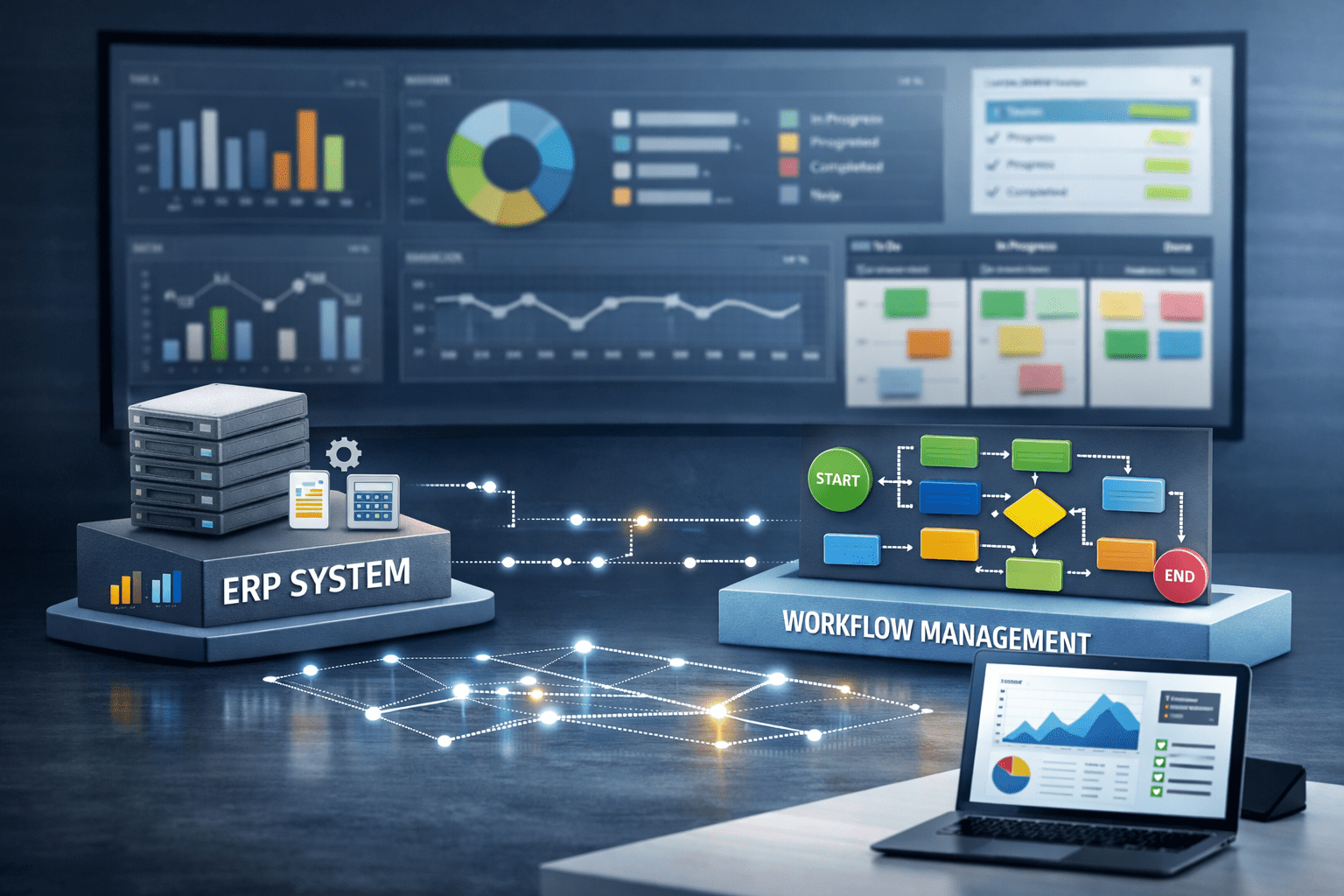
ERP systems play an important role in corporate data management, enabling businesses to maintain essential partner and customer records, such as company names, addresses, and tax numbers. However, evolving business needs often require us to manage specialized data. Ideally, this additional information is automatically incorporated into master data. Such updates to an existing system—particularly those involving changes to the database structure—can pose significant challenges, as dependencies between systems must also be managed. This is a lengthy and costly process that often hinders a rapid response to new business requirements.
One of our clients needed to ensure that only customers who were not blacklisted (for example, due to overdue payments) could participate in certain transactions and processes. Previously, these customers were checked manually before each order was processed, requiring significant staff resources and slowing down sales processes. Thanks to this enhancement, externally sourced data previously stored in Excel is transferred to the xFLOWer database, where it can serve as the basis for subsequent processes and eliminate the risks associated with human error.

The xFLOWer system we implemented fully automates this process: it automatically checks incoming orders and rejects orders from blacklisted customers for as long as their debt remains outstanding. Only approved orders that have already been checked by xFLOWer are passed on to the ERP system. This automation solution delivers the following business benefits:
Business benefits of automated order checks
Transparency: Automatic synchronization between systems ensures accurate and reliable data management, reducing the risk of manual errors.
Efficiency: It saves the sales team significant time by eliminating manual steps in order processing.
Better identification of business potential: The xFLOWer system enables sales teams to focus on partners with genuine business potential by immediately filtering out those with outstanding debts or reliability issues.
Overall, the solution not only reduces operating costs but also improves the transparency and efficiency of business processes, helping decision-makers drive business growth on a sound foundation.